
Custom Neon Flex for Architectural Lighting
An architectural lighting project required custom LED Neon Flex lengths, controlled bending directions and consistent linear illumination for integration into a defined installation structure.
The project required more than a standard reel product. For a Custom LED Neon Flex order, product dimensions, cutting method, cable exit, bending requirements and mounting accessories all needed to be reviewed before production.
Project Background
Architectural Neon Flex installations often need to follow specific dimensions and building details. A Custom LED Neon Flex solution is therefore defined by the installation, not by the reel. In this project, the lighting system needed to fit predefined installation lengths while maintaining smooth, continuous illumination.
Because the product would be installed into a dedicated channel, the Neon Flex dimensions, bending direction, cable position and finished length needed to match the installation requirements closely.
Custom LED Neon Flex Specification Checklist
A Custom LED Neon Flex order starts with a written specification, not a reel length. The specification should list the finished length of each section, the bending direction, the minimum bending radius, the cable exit position, the mounting channel type and the required protection level. Colour temperature, voltage and power per metre also belong in the same document, so the factory, the installer and the lighting designer all work from one agreed set of values.
Cutting length deserves its own line in the specification. A Custom LED Neon Flex section can only be finished at the cutting points allowed by its circuit, so the requested finished length must be checked against the cutting interval before production. Where a section falls between two cutting points, the design team should agree whether to adjust the length, change the channel layout or accept the nearest achievable length, and record that decision.
Electrical values should be confirmed in the same specification, not added later. Voltage, power per metre and total power for the longest run decide the driver size and the number of power feeds, while colour temperature and colour rendering decide whether the finished light matches the design intent. Where the project uses dimming or colour control, the control method and the controller type should be named in the specification as well.
Protection level should match the installation environment, not the catalogue default. An indoor cove and an outdoor facade need different sealing, and a section installed near water needs a higher rating than one in a dry interior. Confirm the required protection level for each installation area in the specification, and check that the end-sealing method suits the same environment before production begins.
Key Project Requirements
Custom Finished Lengths
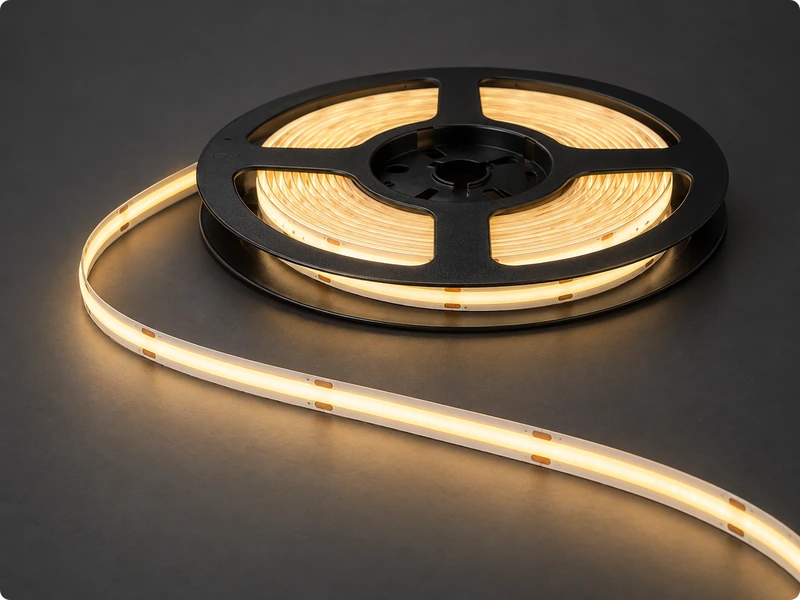
Each Custom LED Neon Flex section needed to be produced according to the required installation dimensions rather than supplied only in standard reel lengths.
Controlled Bending Direction
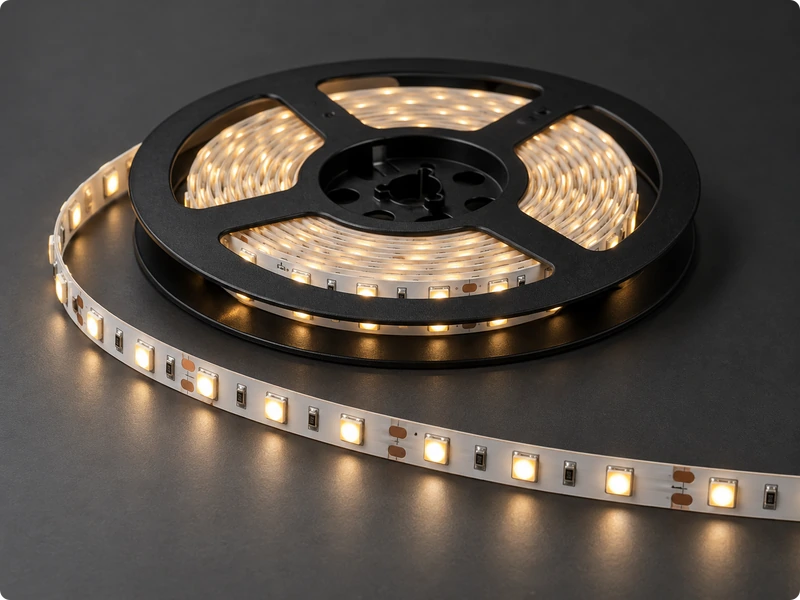
The selected Custom LED Neon Flex structure needed to match the bending direction and architectural geometry of the installation.
Cable Exit Configuration
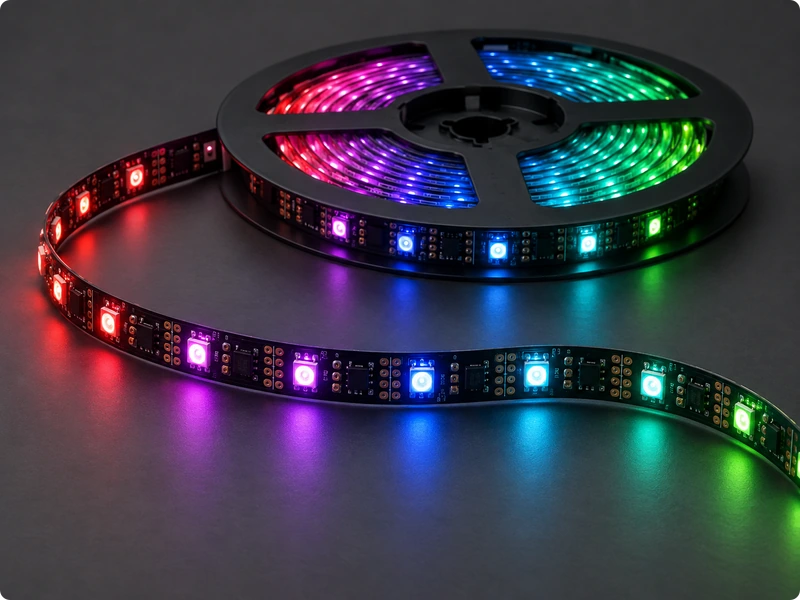
Cable entry direction and wire length needed to be confirmed according to the installation and connection position. Early confirmation avoids rework where access is limited after the channel is fixed in place.
Uniform Linear Illumination
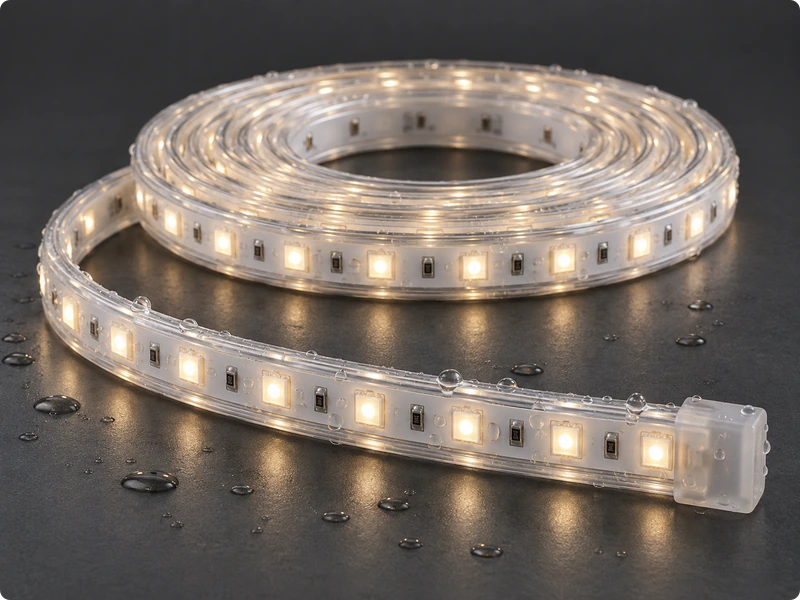
The finished product needed to maintain a smooth, continuous lighting effect without obvious dark areas or visible LED points. This consistency matters most where the light line runs uninterrupted across long architectural features. For background on how lighting levels and quality are defined, see the lighting standards from the IES.
Custom LED Neon Flex Technical Evaluation
Custom LED Neon Flex projects require evaluation of both the electrical specification and the mechanical installation conditions.
Product dimensions, minimum bending radius, cutting length, cable exit, mounting channel and waterproof structure can all affect whether the final product fits the architectural design.
For this reason, the Neon Flex and installation channel should be evaluated together before final production approval.
Custom LED Neon Flex Bending and Cutting
Bending direction decides whether a Custom LED Neon Flex section follows the architectural line or fights it. Side-bending sections curve left and right along the facade, while top-bending sections curve up and down, and the two structures cannot be swapped once the channel is fixed. The minimum bending radius should be confirmed from the product specification and checked against the tightest curve on the drawing before any length is cut.
Cutting should be planned section by section, not reel by reel. Each Custom LED Neon Flex section needs its own finished length, its own cutting point and its own cable position, and those three values should be written on the same cutting list. A cutting list that mixes sections from different parts of the installation invites mistakes, so keep one list per installation area and check each line against the drawing before cutting begins.
Spare length should be planned at the same time as the cutting list. A short spare section from the same production batch can cover a cutting error or a damaged end without a colour or brightness mismatch, while a replacement ordered later may come from a different batch. Agree the spare quantity with the project team before production, and store spare sections in the same conditions as the installed product.
Validation Process
Drawing & Dimension Review
Review the required finished lengths, installation dimensions, bending direction and cable positions.
Product Configuration
Confirm Neon Flex size, voltage, CCT, power, waterproof structure, cutting method and mounting accessories.
Sample & Fit Evaluation
Evaluate the product and channel configuration for bending, installation fit and visual lighting performance.
Production Confirmation
Confirm final lengths, cable requirements and product structure before arranging mass production.
Custom LED Neon Flex Cable and Channel Planning
Cable exit is easy to overlook and expensive to fix later. A Custom LED Neon Flex section should have its cable exit direction and wire length agreed before the channel is fixed in place, because access is often limited once the channel is mounted. Where the cable must pass through a wall, a ceiling or a narrow channel, confirm the entry point, the wire length and the connector type on the drawing, and leave enough slack for the final connection.
The mounting channel and the Custom LED Neon Flex section should be evaluated as one assembly. The channel sets the finished position, the bending support and the heat path, while the flexible section sets the light line itself. If the channel is too narrow, the section will not seat properly; if it is too wide, the section can shift and the light line will wander. Check the fit with a sample length in the actual channel before approving mass production.
Power feed positions should be decided with the cable plan, not after it. Long runs may need power fed from both ends or from intermediate points, and each feed needs a cable route and a driver location. Where drivers sit far from the light line, check the cable length and voltage drop against the driver specification, and confirm that the driver location stays accessible for maintenance after the installation is finished.
What Was Evaluated
Finished Length Accuracy
Custom lengths were reviewed according to the required architectural installation dimensions.
Bending Performance
The Neon Flex structure was evaluated according to the required bending direction and installation geometry.
Lighting Uniformity
The visible light line was checked for smooth and consistent illumination along the product.
Cable Configuration
Cable exit direction and wire length were defined according to the actual installation requirements.
Mounting Compatibility
The Neon Flex and mounting channel needed to work together for secure and practical installation.
Waterproof Structure
The required protection level and end-sealing structure were considered according to the application environment.
Custom LED Neon Flex Sample Checks Before Production
A sample length answers questions that a drawing cannot. Before production, a Custom LED Neon Flex sample should be bent to the tightest radius on the project, fitted into the actual channel and lit for a visual check of uniformity. Dark areas, visible LED points and uneven brightness show up immediately on a lit sample, while the same faults are hard to spot on paper. Record the sample result with photographs and keep the approved sample as the reference for incoming inspection.
Colour and brightness should be compared under the same conditions that the installation will use. Where colour or light-output measurements are compared, the CIE (International Commission on Illumination) publishes the colour and photometric standards behind those measurements, so agree the measurement method with the project team before comparing results. A Custom LED Neon Flex sample checked under site lighting, at the installed viewing distance and after reaching its working temperature, gives a far more reliable verdict than a bench check alone.
Sample sign-off should be written, not verbal. The approved sample, the agreed finished lengths, the bending direction, the cable positions and the channel type should all be recorded in one sign-off document before mass production starts. If anything changes after sign-off, the change should be written down and a new sample checked, because an undocumented change is the most common source of disputes when the delivered product does not match the design.
Project Solution
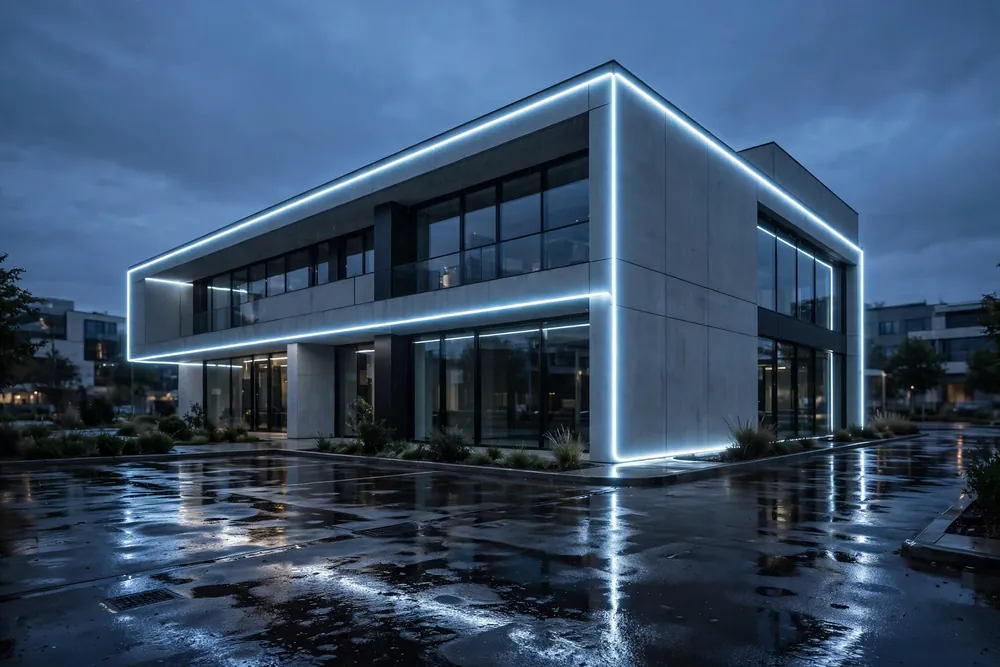
The project used an 8 × 16 mm side-bending Custom LED Neon Flex structure with custom finished lengths, dedicated mounting channels and project-specific cable requirements.
Different cutting options were evaluated because cutting length can affect both the achievable finished dimensions and the final light output of the product.
Custom LED Neon Flex Installation Notes
Installation order matters for a Custom LED Neon Flex project. Fix the channels first, then dry-fit each section without power, and only connect power once every section sits correctly in its channel. Dry-fitting reveals length errors, bending mistakes and cable problems while they are still easy to correct. Powering a section before it is seated can hide a poor fit until the channel is already closed.
End sealing and waterproofing should be finished as each section is installed, not left to the end of the job. A Custom LED Neon Flex section that is left open overnight can take in moisture or dust, and a seal applied later may trap contamination inside. Where the installation is outdoors or in a wet area, confirm the protection level for each section, seal the ends with the specified method and check every joint before the area is handed over.
A final inspection should walk the full light line with the power on. Check each joint, each bend and each cable entry for a clean finish, then view the line from the normal viewing distance and check for dark areas, bright spots or colour differences between sections. Any section that fails the visual check should be replaced before handover, and the replacement should come from the same batch as the installed sections where possible.
Common Pitfalls in Custom LED Neon Flex Orders
The most common mistake is ordering the flexible section and the channel from different drawings. When the channel drawing and the Custom LED Neon Flex cutting list disagree by even a few millimetres, the section will not fit and the installer must cut, stretch or re-order on site. Keep one drawing that shows both the channel and the light line, and check every finished length against that single drawing before production.
A second common mistake is mixing bending types on one project. Side-bending and top-bending sections look similar on a reel but bend in different planes, and a section ordered with the wrong bending direction cannot be forced around the intended curve. Label each section with its bending direction on the cutting list, and check the label against the drawing when the sections arrive on site.
A third mistake is leaving the cutting interval out of the length calculation. A finished length that ignores the cutting interval will be rounded up or down at the factory, and the delivered section will not match the channel. Always confirm the cutting interval first, then choose finished lengths that fall exactly on a cutting point, and write the cutting point count on the order so the factory and the installer agree on the same number.
Finally, confirm the order in writing before production starts. The written order should repeat the finished lengths, the bending direction, the cable positions, the channel type and the protection level, so the factory works from the same values as the design team. A written order that matches the signed-off sample leaves little room for misunderstanding, and any later change should be confirmed in writing as well.
Project Takeaway
For architectural Neon Flex projects, product selection should not be based only on voltage, wattage or CCT. Finished dimensions, bending direction, cutting length, cable exit and mounting structure can directly affect installation success.
Confirming these details for a Custom LED Neon Flex order before production helps reduce on-site modification and improves compatibility between the lighting product and the architectural structure.
Planning a Custom LED Neon Flex Project?
Send us your drawing, required dimensions, bending direction, CCT, IP rating, cable requirements and project quantity. Our team can help evaluate a suitable Custom LED Neon Flex configuration before production.