Explore our LED Strip Lighting Resources — practical guides and technical resources from HST Light covering LED strip selection, product validation, installation considerations and custom lighting projects. For an installation example, see our 12V IP68 LED strip landscape lighting project.
These LED Strip Lighting Resources are designed to help lighting buyers, distributors, contractors and project teams better understand LED strip specifications and technical requirements before purchasing or installation.
Before choosing a strip, it helps to work through the questions these LED Strip Lighting Resources raise in order: the application and mounting surface, the light effect required, the environment the strip will face, and the power and control arrangement. A choice made on brightness alone can overlook cut points, bending limits and heat dissipation, so reading the guides in this order gives buyers and installers a shared checklist to discuss before samples are requested.
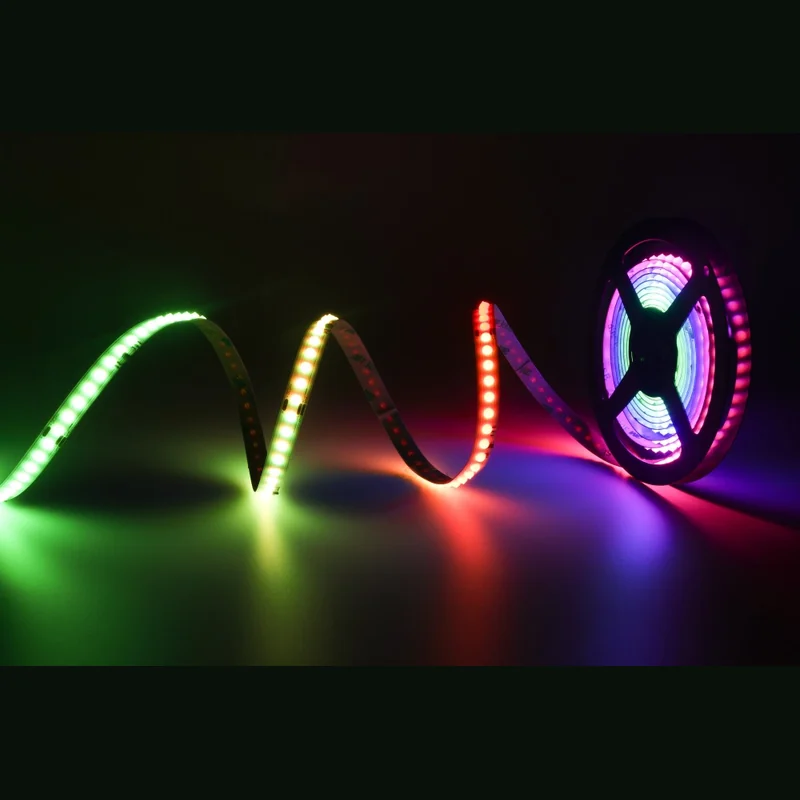
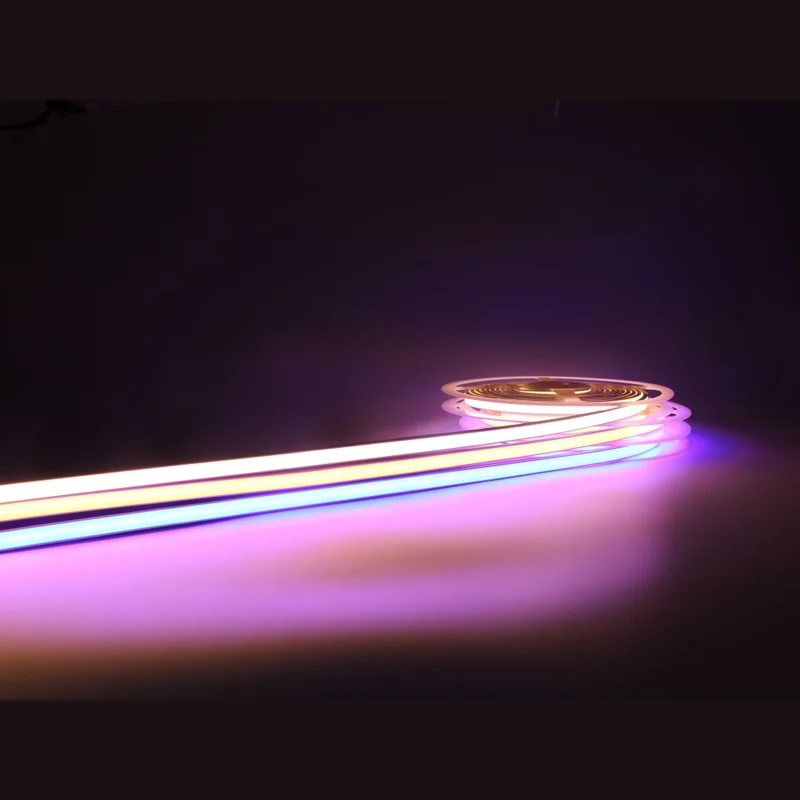
Featured LED Strip Guides
How We Validate Custom LED Strips Before Mass Production
In these LED Strip Lighting Resources, learn how HST Light reviews specifications, prepares samples and validates critical electrical, optical and visual parameters before custom LED strip production.
COB vs SMD LED Strip: How to Choose
Our LED Strip Lighting Resources compare COB and SMD LED strip technologies, including light appearance, brightness, flexibility, applications and key selection considerations.
LED Strip IP Ratings Explained
Understand the differences between IP20, IP65, IP67 and IP68 LED strips and how to select the appropriate waterproof structure for different environments.
Technical Topics in Our LED Strip Lighting Resources
LED Strip Selection
Guidance on choosing COB, SMD, Neon Flex and other LED strip types for different applications. Browse LED strip products.
CCT & CRI
Understand color temperature, color rendering and how these parameters affect lighting performance. For background on how lighting levels, color temperature and color rendering are defined, see the lighting standards from the IES.
Voltage & Run Length
Learn how voltage, PCB design, power and installation length affect voltage drop and brightness consistency.
Waterproofing & IP Ratings
Compare different waterproof structures and protection levels for indoor and outdoor LED strip applications.
OEM / ODM Customization
Learn what can be customized, including PCB width, CCT, CRI, power, waterproofing, cables and packaging.
Testing & Validation
Understand how samples, exact-model testing and pre-production validation can reduce technical risks.
How to Use These LED Strip Lighting Resources
Start with the selection guides, then move to the topic that matches the main risk in the project. For a long run, the voltage and run-length notes matter most; for a wet or outdoor location, the IP rating guide comes first; for a branded or made-to-order project, the customisation notes explain which parameters are normally fixed early and which can still change after sampling. Each guide in these LED Strip Lighting Resources is written to be read on its own, so a reader can go straight to the question that needs an answer.
When comparing options, keep the exact model configuration in view. Two strips that share a product family can differ in PCB width, LED density, power, voltage, colour temperature and waterproof structure, and each difference can change how the strip performs once installed. Note the full configuration alongside any sample request, and check the delivered sample against the same list before deciding whether to proceed.
Why Technical Validation Matters
LED strip specifications can vary significantly between different models and custom configurations. Changes in PCB width, copper thickness, LED density, power, voltage or waterproof structure can affect final performance.
For critical projects, technical data should be reviewed together with the exact product configuration. Sample testing and pre-production validation can help confirm whether the selected product meets the required specification before mass production.
These LED Strip Lighting Resources also explain why a sample should match the exact model being ordered, rather than a similar strip from the same range. A sample built to a different width, power or waterproof structure can look right in isolation and still behave differently once installed, so confirming the configuration first avoids rework after production has started.
Need Help With an LED Strip Specification?
Send us your application, technical requirements or product specification. Our team can help evaluate suitable LED strip options and identify the key parameters that should be confirmed before ordering.
This page brings our LED Strip Lighting Resources together in one place, so readers can move from selection to validation without searching the whole site. If a requirement is not covered by an existing guide, include the details with the enquiry and our team can advise which parameters need to be confirmed before ordering.